
A. Lange & Söhne 1815 UP/DOWN (2026): What Actually Changed
Anyone can add a color. Only a handful of manufactures on earth can shrink a case by a millimeter and a half without the watch losing an ounce of what made it serious in the first place.
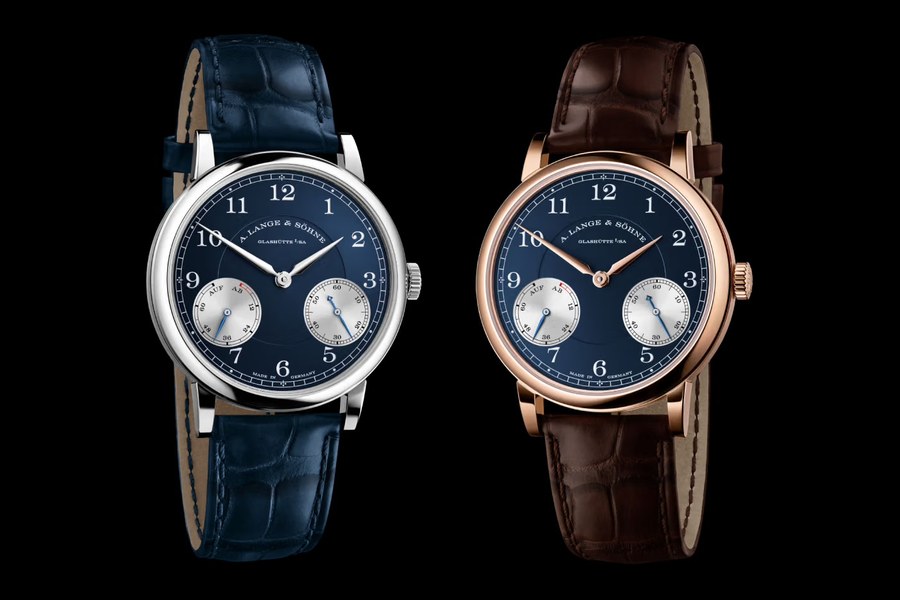
A. Lange & Söhne used the 2026 Concours of Elegance at Hampton Court Palace to extend two of its most established families, and the headline detail in both press photos is the same: a blue dial, a platinum case, the kind of thing that reads well in a product shot. The actual news is quieter than that, and it's the kind of quiet that only a handful of manufactures on earth can afford to make the whole story.
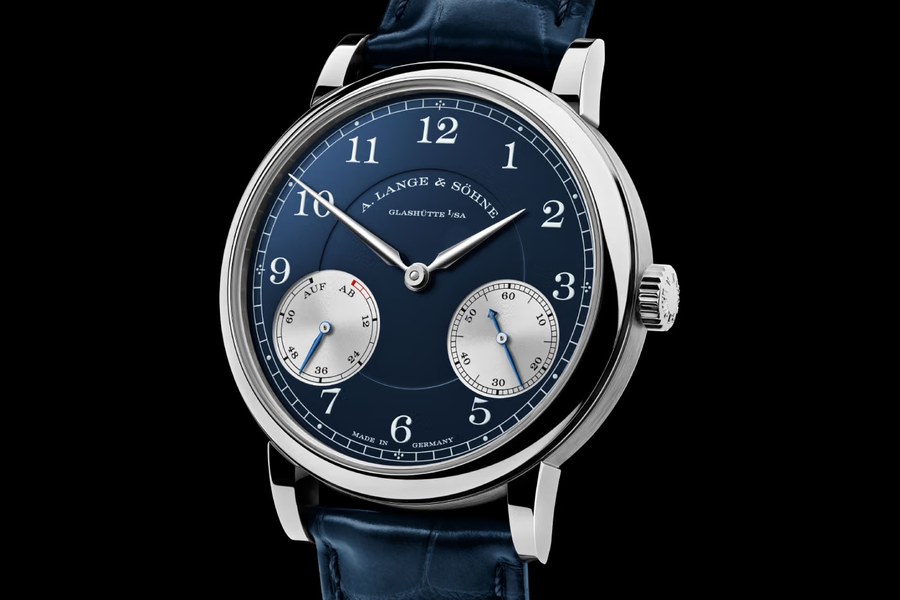
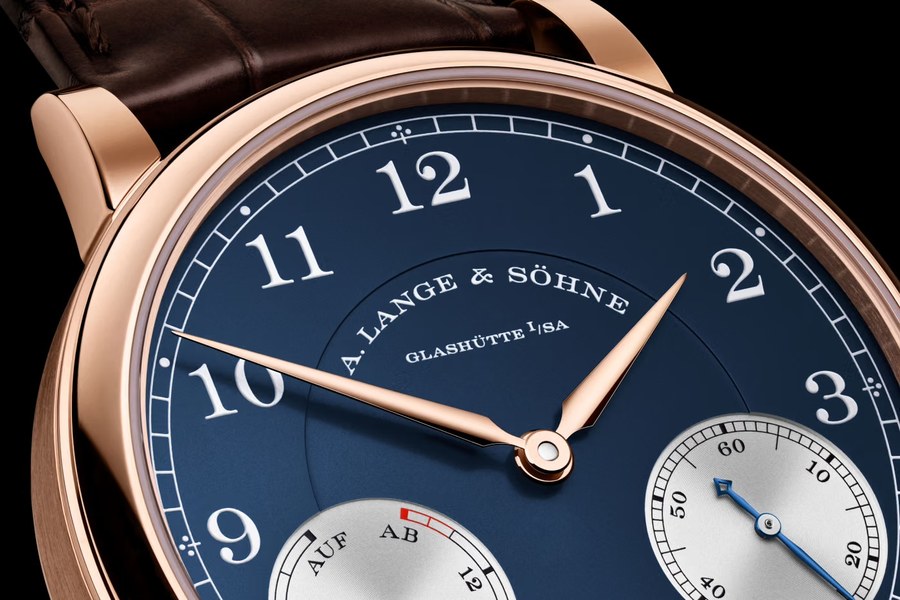
Start with the 1815 UP/DOWN, because the real change isn't the color. The previous generation of this watch measured 39mm across. The new white-gold and pink-gold editions — references 244.028 and 244.037, 300 pieces each — bring that down to 37.5mm, while holding the case at exactly the same 8.7mm thickness and keeping the identical L051.2 caliber inside it. A millimeter and a half sounds like nothing until you consider what most watchmakers do instead when they want a release to feel new: bigger case, busier dial, a complication nobody asked for. Lange went the other direction, on purpose, and it's a harder trick to pull off than adding anything would have been.
Lange didn't modernize this watch with a sportier bracelet or a busier dial. It modernized it by taking something away.
The dial does its own work, too — a solid dark blue face against argenté-toned sub-dials, blued steel for the power-reserve and seconds hands, gold hands matched to the case for the hours and minutes. It's a sharper, more contemporary read on a design that's stayed close to Ferdinand Adolph Lange's original pocket-watch layout for over a century, and the contrast makes a genuinely classical watch feel intentional rather than simply heritage-coded.
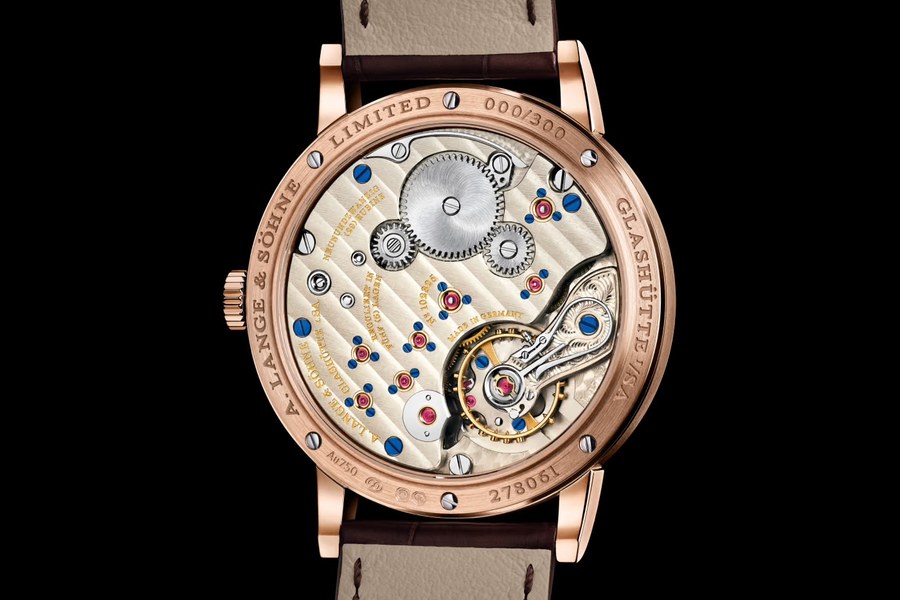
The mechanism behind the name is where Lange's actual argument lives. "UP/DOWN" refers to the AUF (wound) and AB (unwound) indicator sitting opposite the seconds sub-dial, and rather than bolting a power-reserve module onto an existing movement — the shortcut most of the industry takes — Lange built the indication directly into the L051.2 caliber through a compact planetary-gear system. The movement is hand-wound, assembled twice per Lange's standard practice, and delivers 72 hours on a single wind. The feature is native to the mechanism, not added to it, which is precisely the distinction serious collectors are paying for.
There's a menswear read here too, if you're the type to think that way. The white gold is the cooler, more architectural version — built for navy tailoring, charcoal flannel, minimalist black eveningwear. The pink gold runs warmer, and does more with brown, tobacco, cream, and olive. Neither is the safer choice. They're just arguing for different rooms.
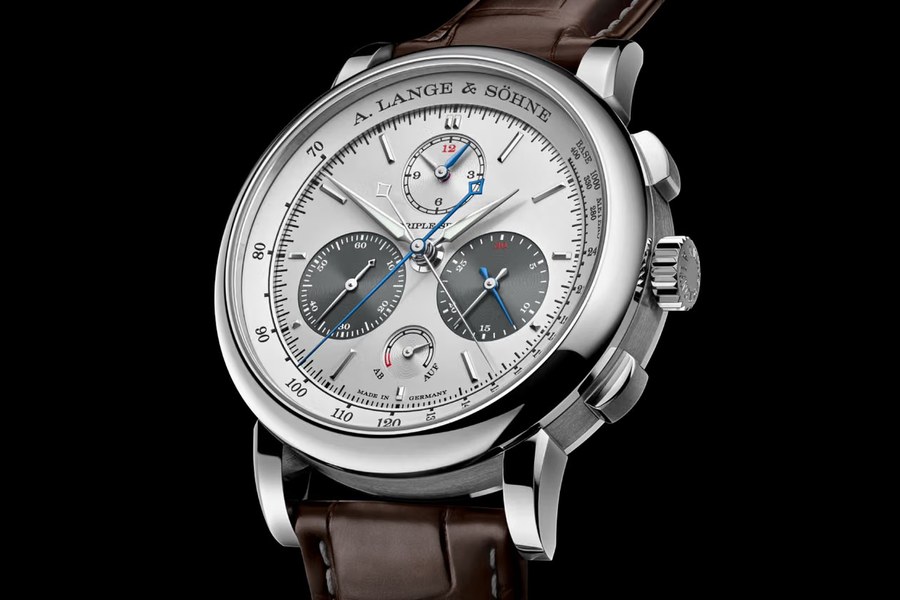
Alongside the 1815, Lange also extended the TRIPLE SPLIT — still, since its 2018 debut, the only mechanical chronograph in the world able to measure comparative and intermediate times across seconds, minutes, and hours simultaneously, up to a combined twelve-hour span. It's a complication built for exactly one problem most people will never have — timing two runners across a marathon, say, without losing either split — solved with a level of mechanical overkill that borders on the theatrical.
The new platinum edition dresses that complication in a cool rhodié dial against dark grey auxiliary counters, luminous main hands, and blued rattrapante hands that only reveal themselves mid-split. The 43.2mm 950-platinum case is fitted to a dark brown alligator strap on a platinum deployant buckle, and the whole edition is capped at 100 pieces.
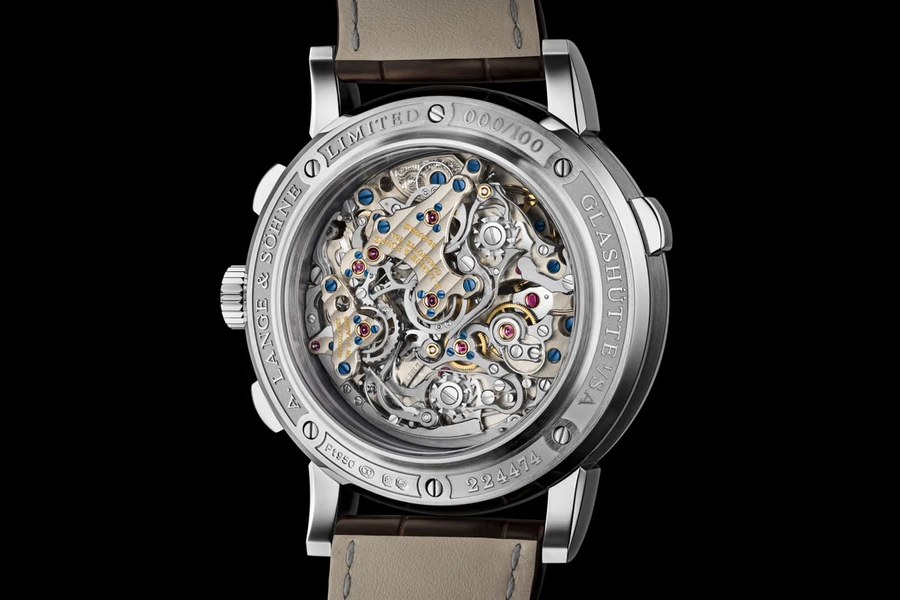
Turn it over and the case for the price becomes a lot more literal. The hand-wound L132.1 caliber inside is built from 567 finished components — untreated German silver bridges, Glashütte ribbing, a hand-engraved balance cock, five gold chatons — plus a patented disengagement mechanism that eliminates friction loss the instant the rattrapante hands stop. Nobody buying this watch needs to time two marathon splits at once. They're buying the fact that the mechanism exists to do it without compromise, whether or not it's ever asked to.
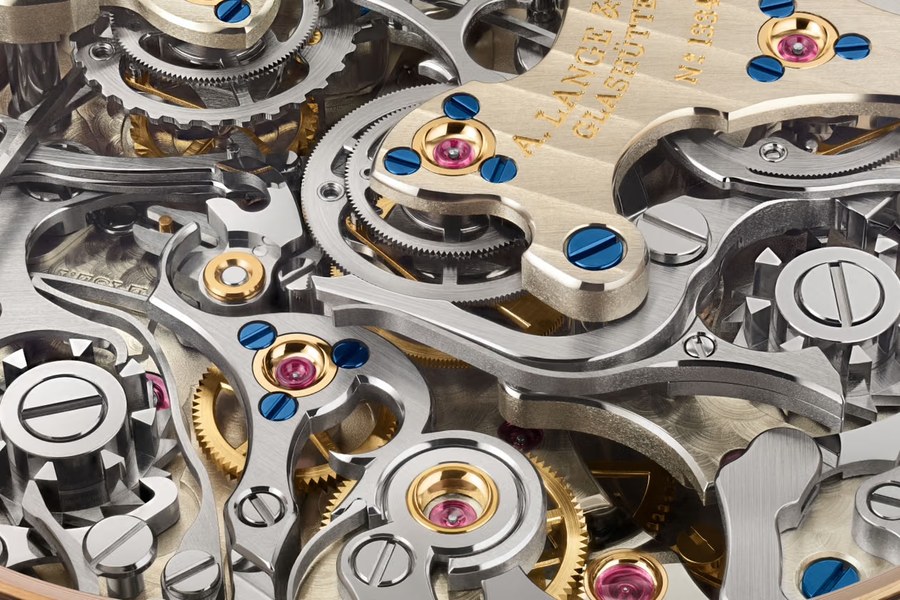
Neither release adds a complication nobody asked for or a size nobody wanted. Both do the harder, less photogenic thing: refine a design that already worked, and let the restraint be the news.