Vacheron Constantin Tribute to the Animal Kingdom: Inside the Six Watches
Six artists who'd never built anything for a watch were handed a canvas smaller than a coin and about as much depth as a stack of index cards. None of them could just shrink their usual technique to fit.
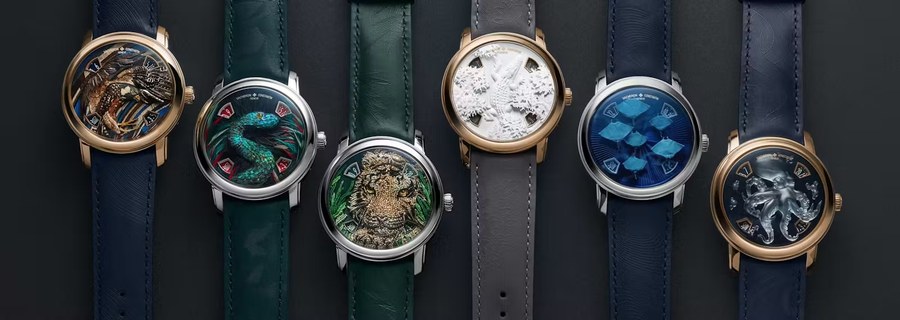
Vacheron's "One of Not Many Crafts Programme" started simple: find six artists who've never built anything for a watch, and ask them to build something for a dial anyway. The craft was never the hard part — all six already knew their materials cold. What none of them had ever done was work at a scale where the whole piece has to fit in about four millimeters of depth.
That number's the real story here. Each 42mm case leaves its artisan roughly 3 to 4mm between the dial and the crystal to build an entire dimensional scene. Nobody could just shrink their studio technique to fit — each one had to invent a version of their craft that had never needed to exist before.
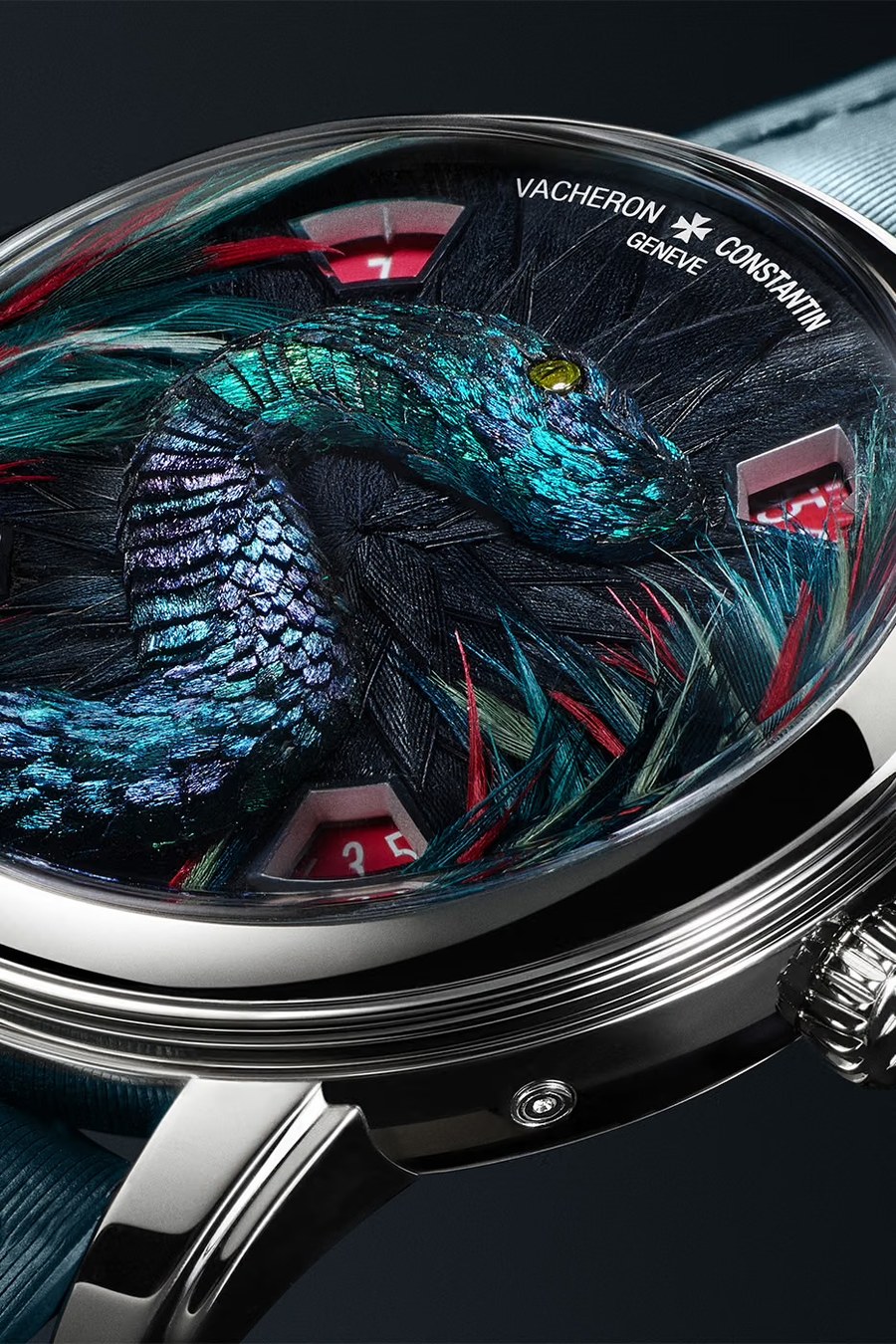
Julien Vermeulen's Feathersnake makes that case clearest: a serpent built from 200+ individual goose feather pieces plus seven rare Lophophore feathers, layered onto silk paper over a 3D metal frame until the scales catch light like real iridescent plumage. Micro-plumasserie, a millinery discipline, rebuilt from scratch for a canvas smaller than a coin.
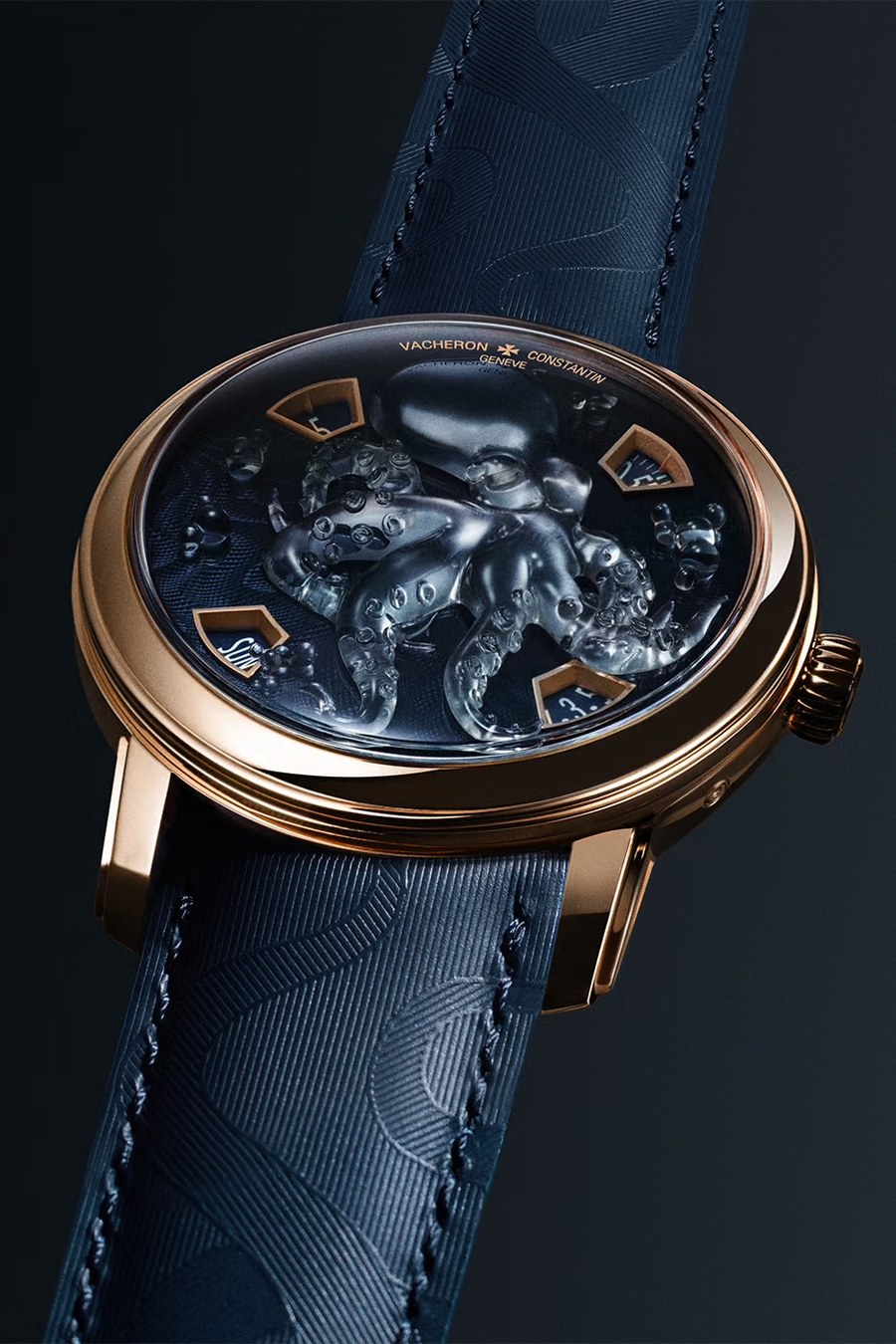
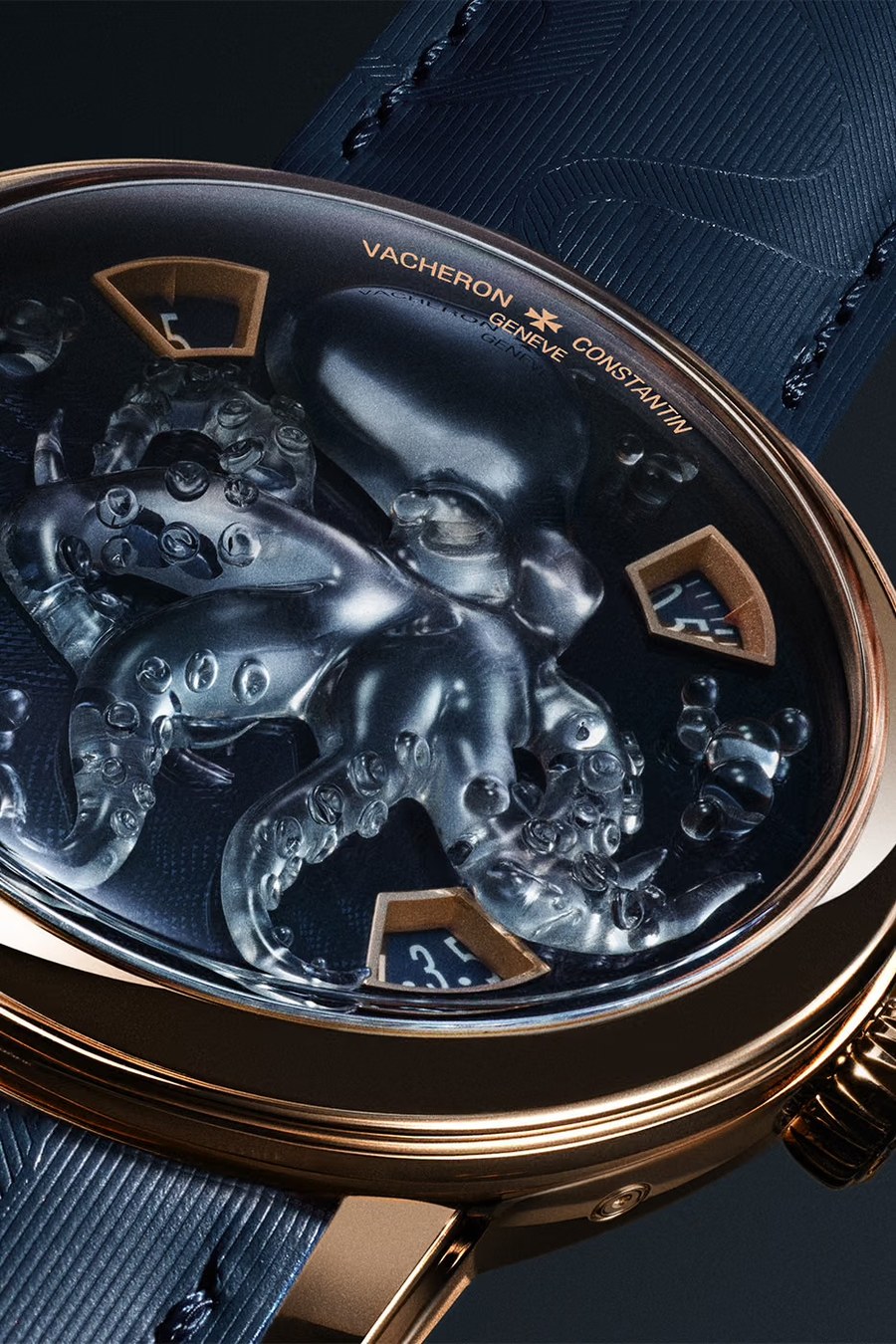
Simone Crestani's Glassoctopus goes the opposite direction — built up instead of layered, a transparent octopus formed from glass rods worked dot by dot with tungsten tools until it rises just 3.5mm off a dark blue guilloché dial.
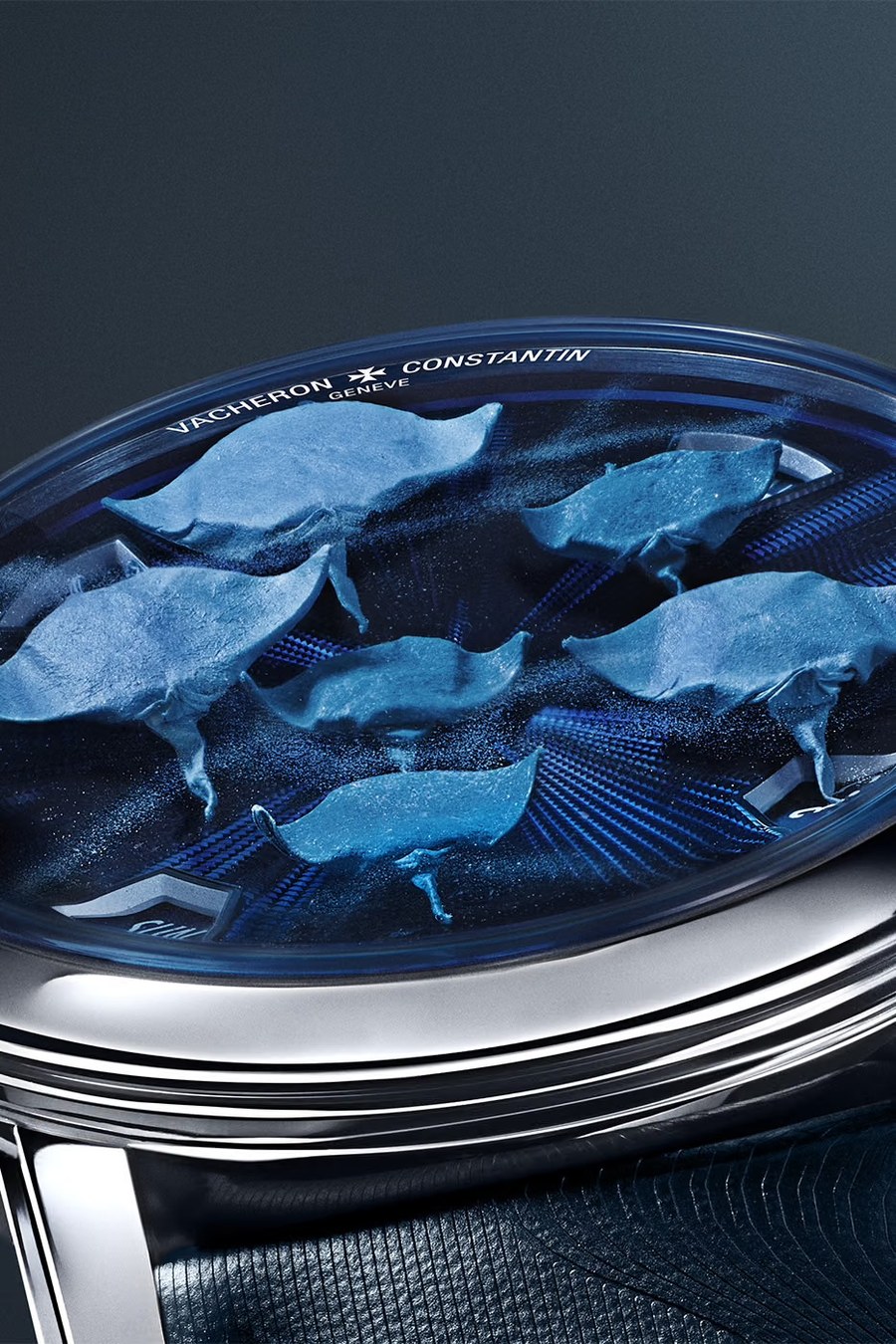
Anja Midori's Oraygami solves the same depth problem in paper — six manta rays folded from self-dyed Japanese paper via micro-origami, suspended at different heights over blue guilloché, under a moiré crystal so they actually look like they're swimming.
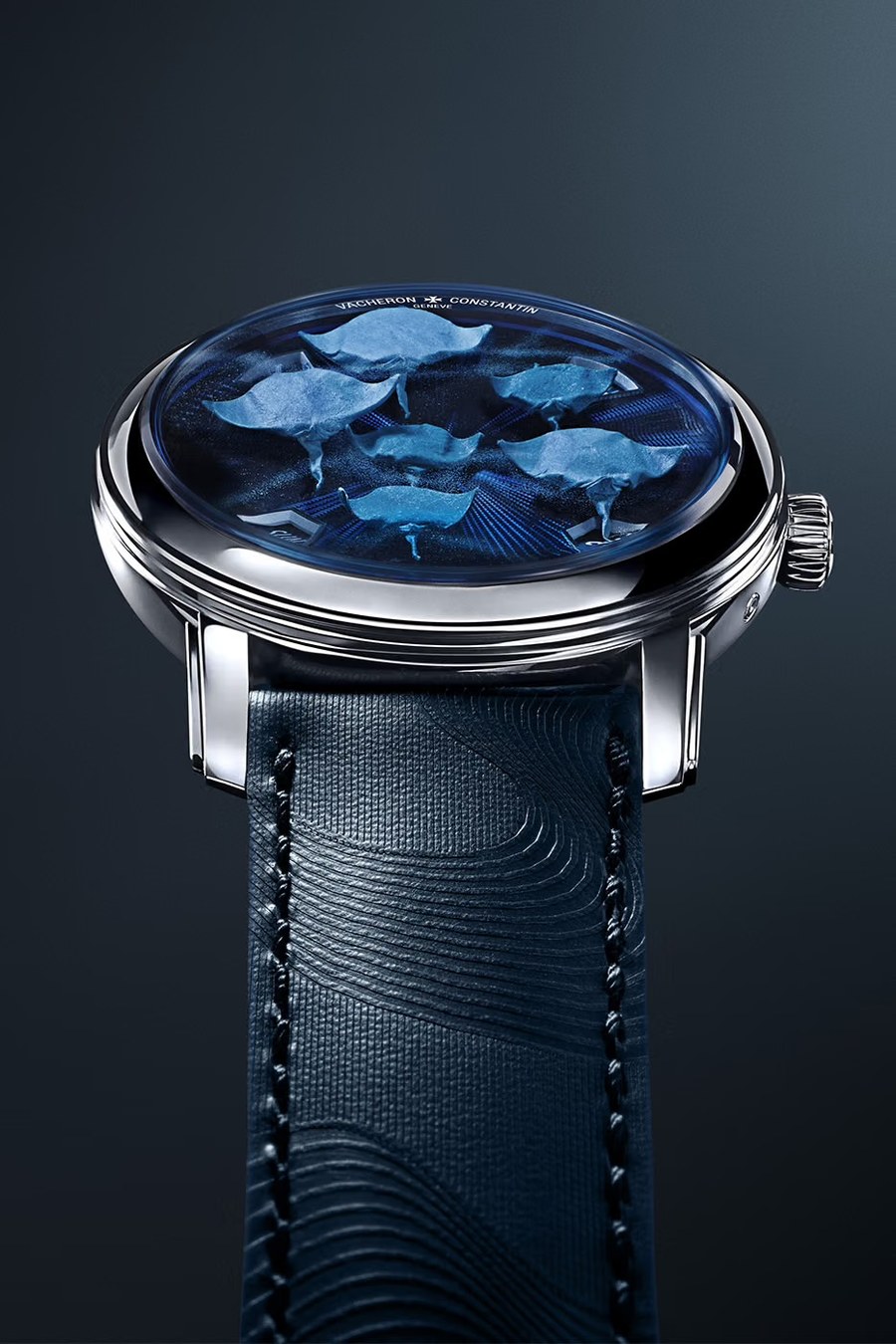
None of them could simply shrink their studio technique to fit. Each had to invent a version of their craft that had never needed to exist before.
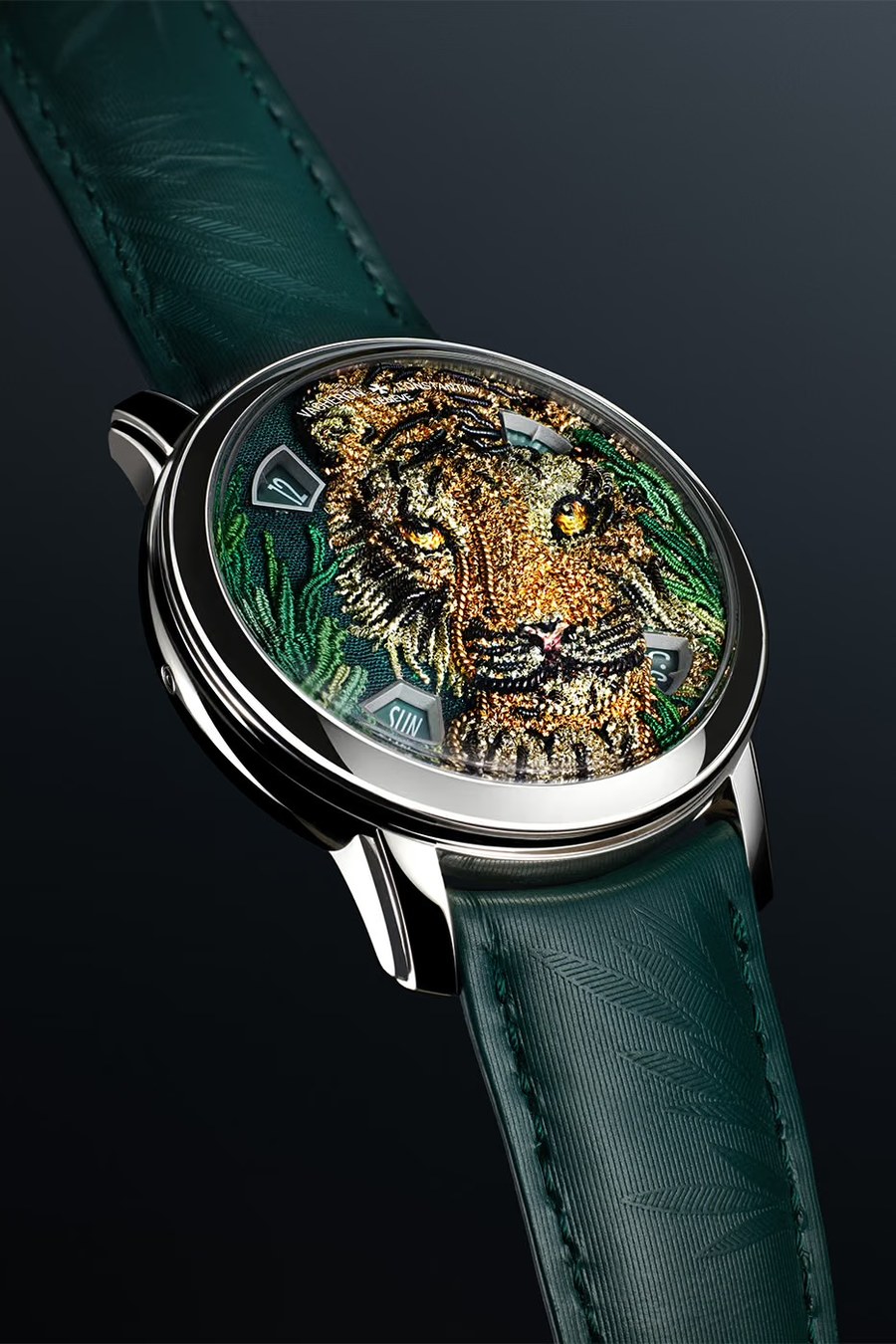
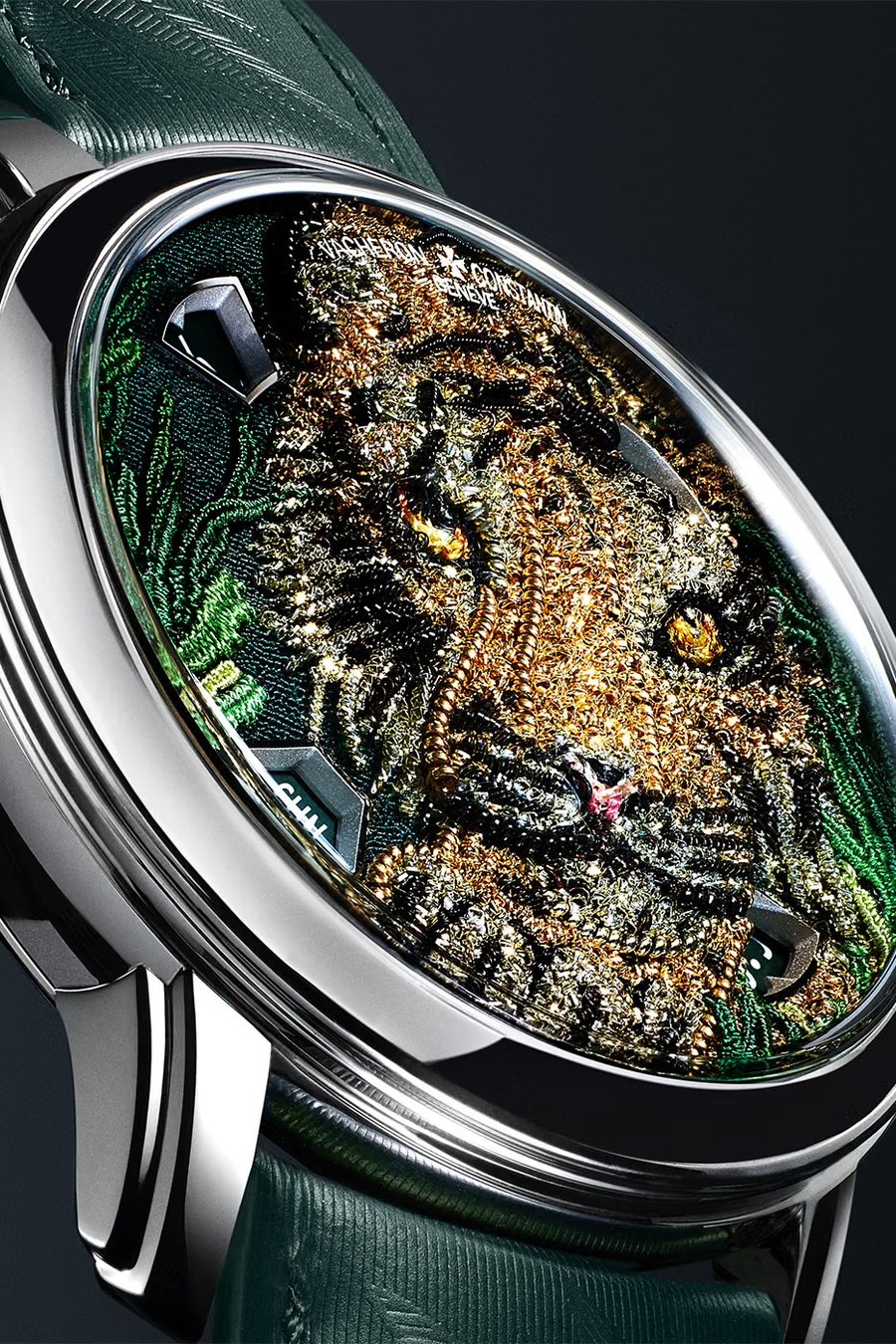
Laura Baverstock's Tigerbroidery embroiders a prowling tiger in gold thread and ceramic-coated copper wire onto green silk, mounted over perforated titanium.
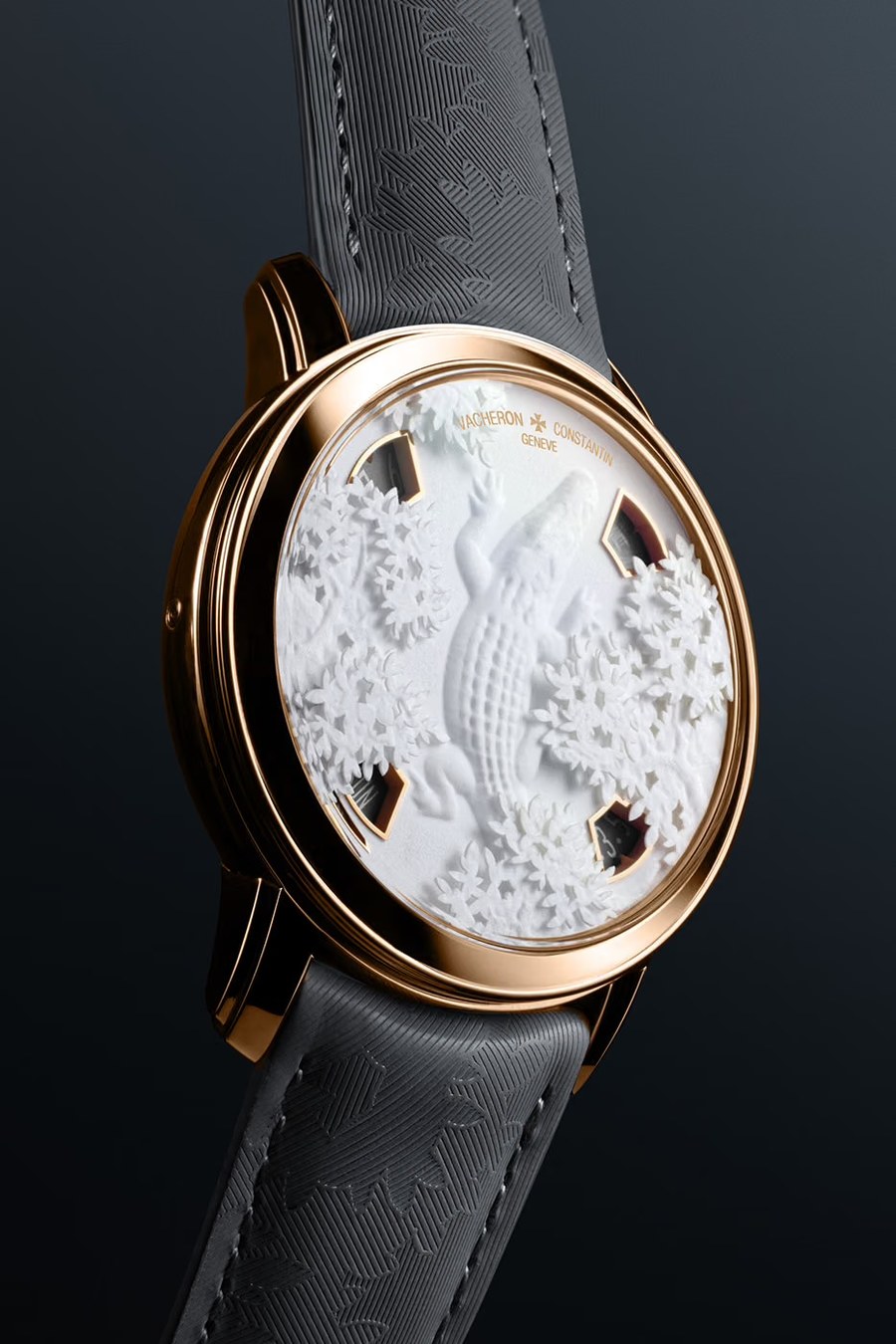
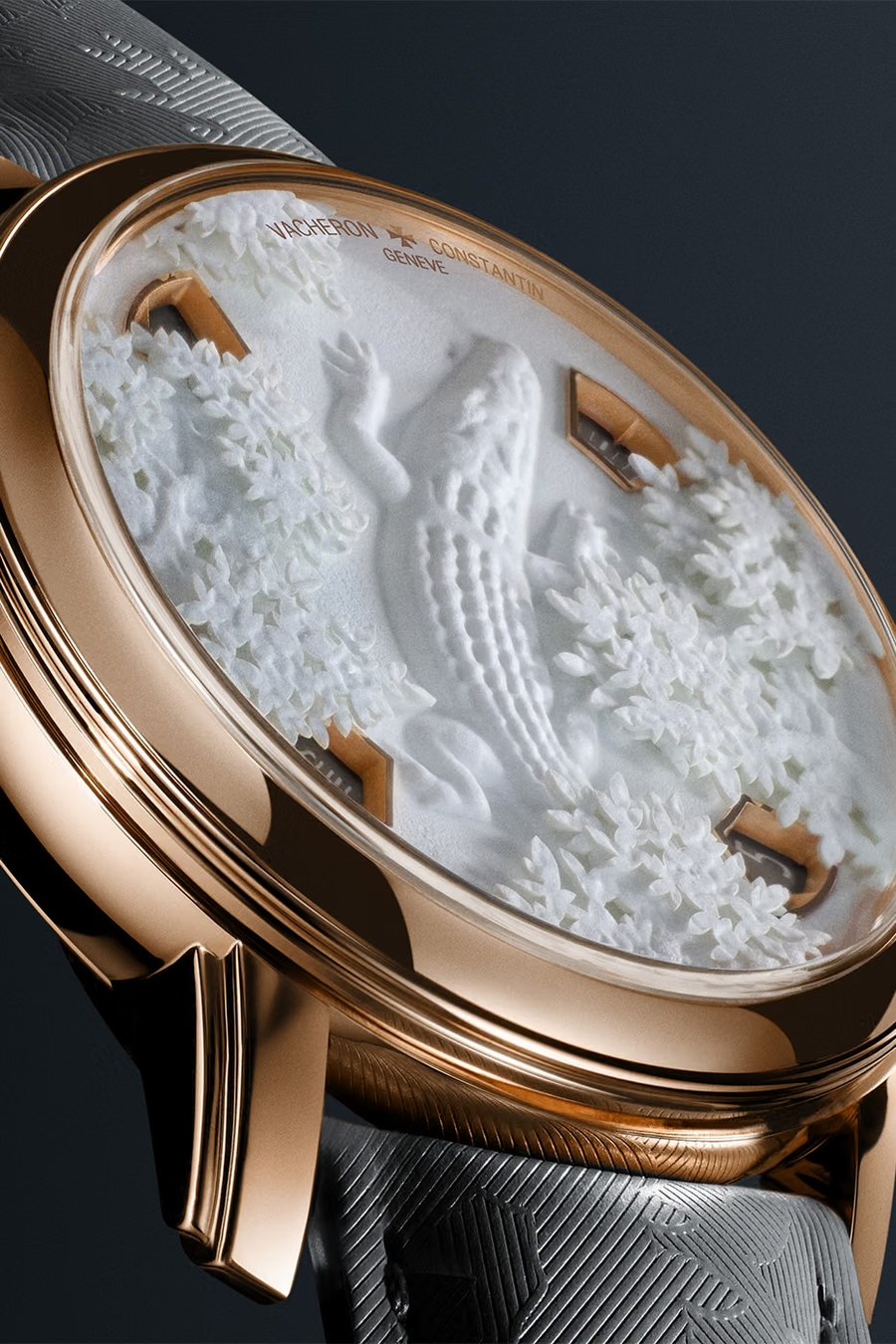
Marianne Guély's Papercroc goes monochrome — an all-white crocodile in snow-like vegetation, laser-cut and heat-embossed from cotton paper. A relief sculpture that happens to also tell time.
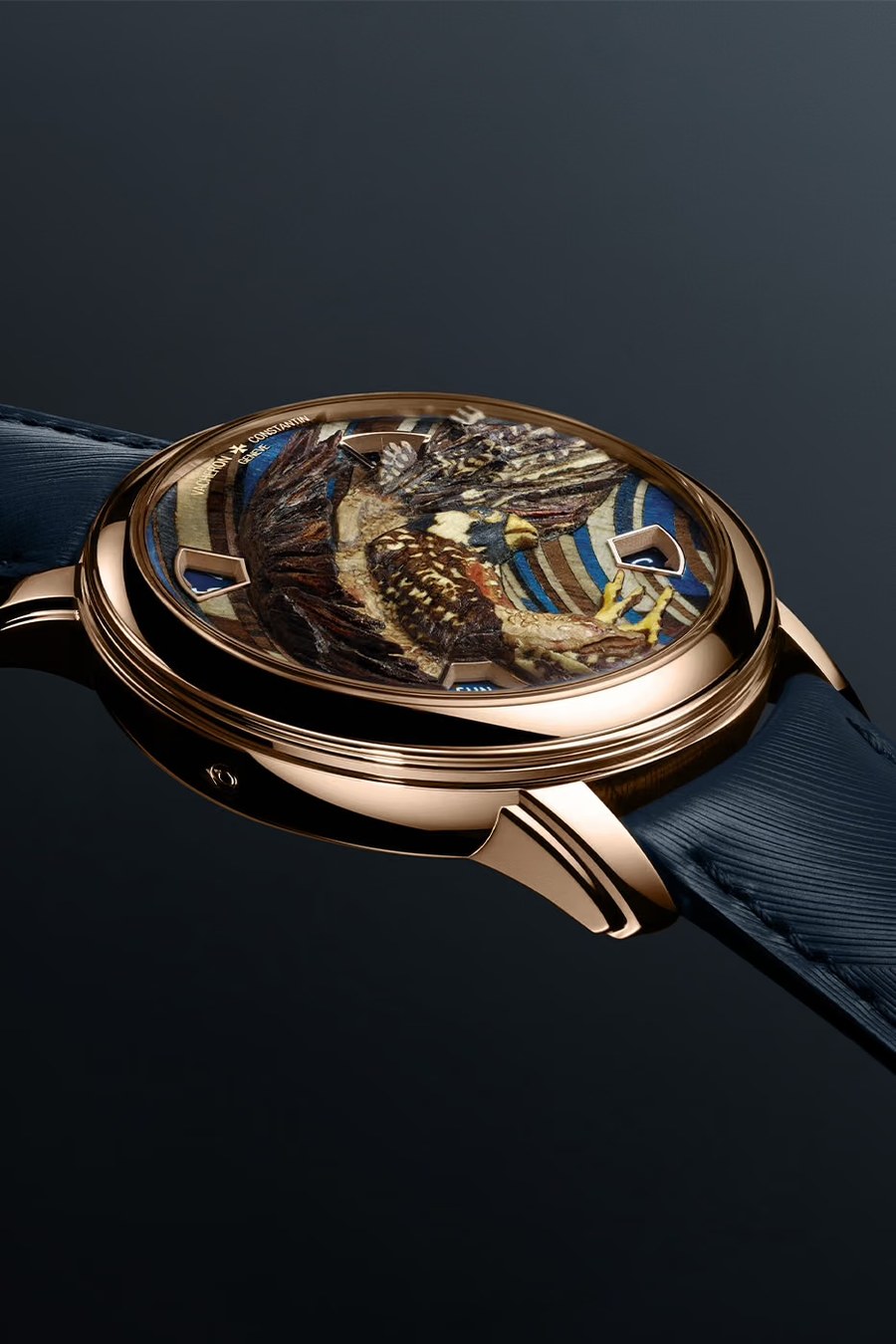
Anna Le Corno's Woodenwings closes it out: a falcon built from twelve wood species, background and sculptural marquetry, a wing assembled feather by feather and cantilevered right over the dial. The most physically ambitious build of the six.
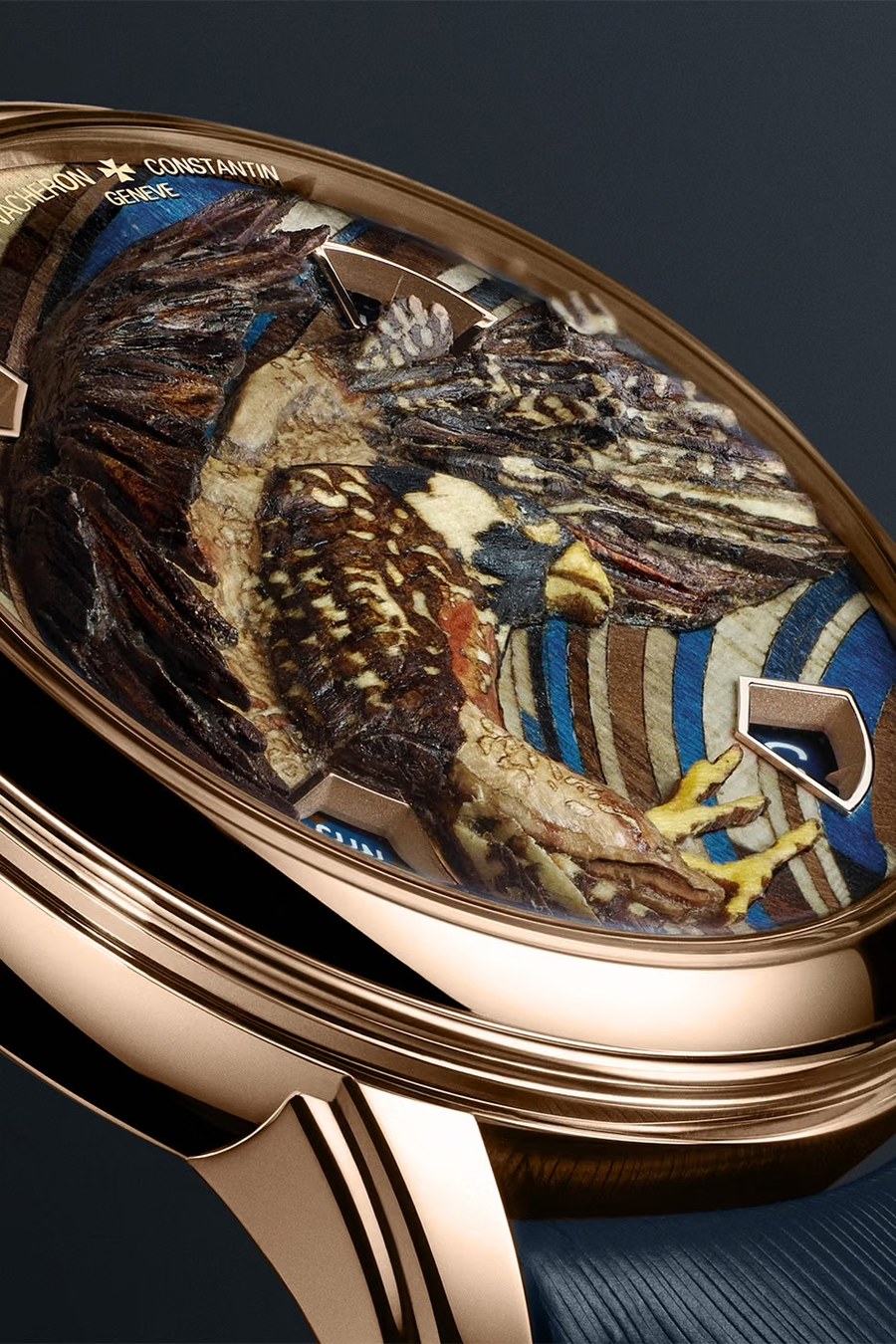
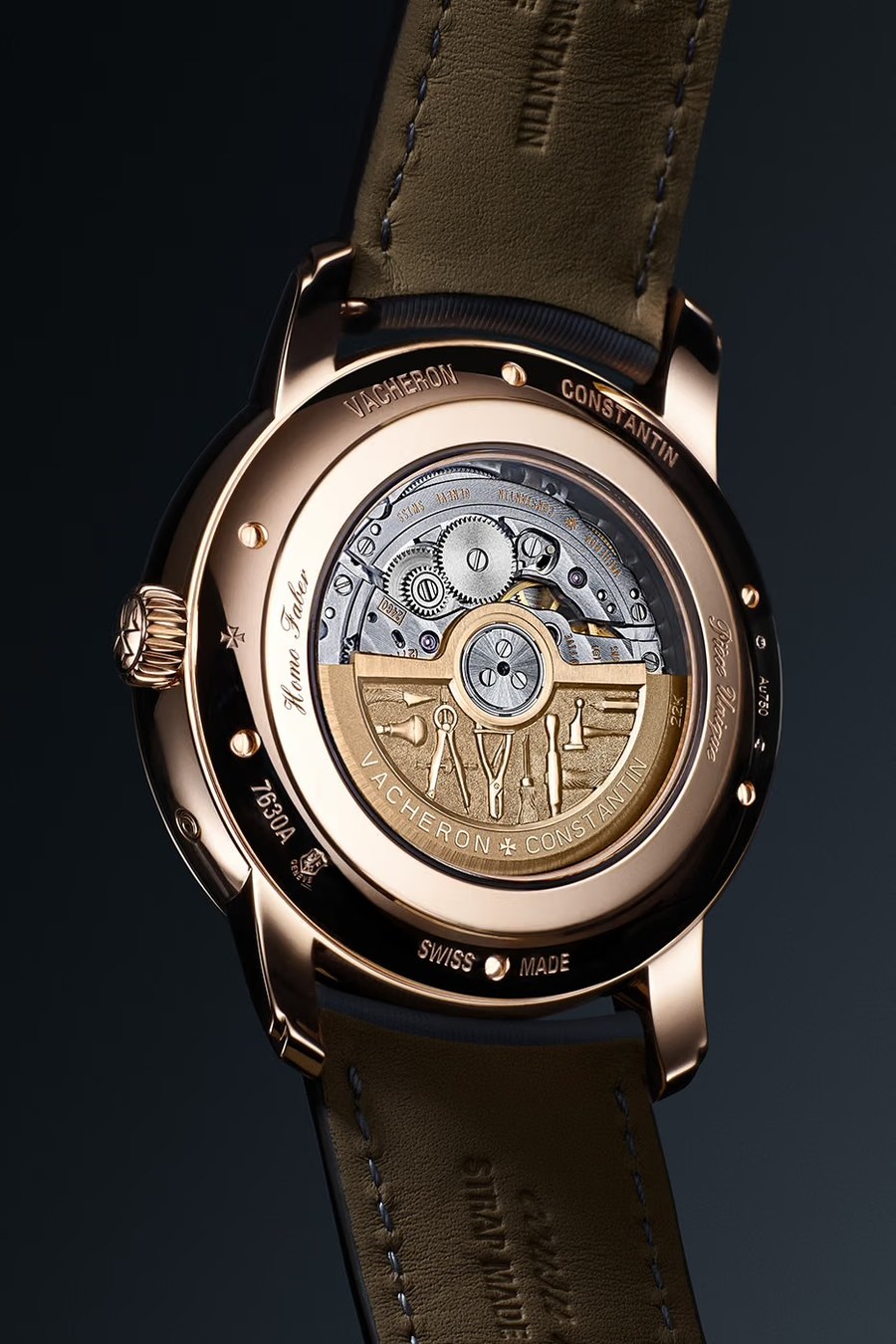
The movement had to disappear behind all of it, which is its own quiet engineering. Vacheron picked the Calibre 2460 G4 specifically because its four peripheral apertures show hour, minute, day, and date without a single hand crossing the artwork. Every oscillating weight is hand-engraved with tool motifs referencing that artisan's own instruments.
None of the six reach for the obvious version of their animal — the snake's an iridescent feather surface, the tiger's a metallic-thread textile, the crocodile's a monochrome paper relief. Vacheron's actual contribution here is closer to a gallery's than a manufacturer's: build the frame, set the constraint, get out of the way of six artists solving a problem none of them had faced before.