
Tim Cook Steps Down as Apple CEO: John Ternus Takes Over, Explained
Tim Cook spent fifteen years proving Apple could be run by an operations executive. His last act was handing the company to the opposite kind of leader.
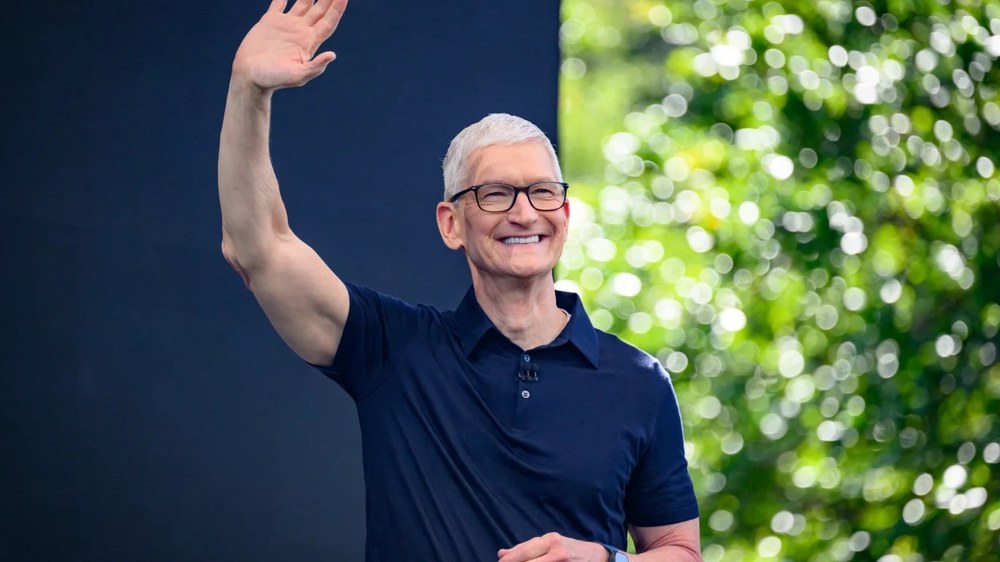
Fifteen years Cook spent proving Apple could be run by an operations guy instead of a product visionary. His last move was handing it to the opposite kind of leader — and the memo he sent on his way out reads less like a corporate transition notice and more like a man making sure the point landed before he left the building.
Final day was August 31, closing a run that started when he took over from Jobs in 2011. Skipped the usual boilerplate almost entirely: "I love this company and the team behind it," called the job "the privilege of a lifetime," and gave employees the credit instead of strategy — "The truth is, whatever there is to say about my success, I know it is all because of you."
As you know, I am not leaving Apple. But I am stepping away from a role that I have loved deeply.
That distinction's structural, not just sentimental. Cook's not leaving the company — moves straight into Executive Chairman, stays at Apple Park, keeps representing Apple to governments at the board level. What he's actually giving up is the day-to-day operational command he built his whole reputation on.
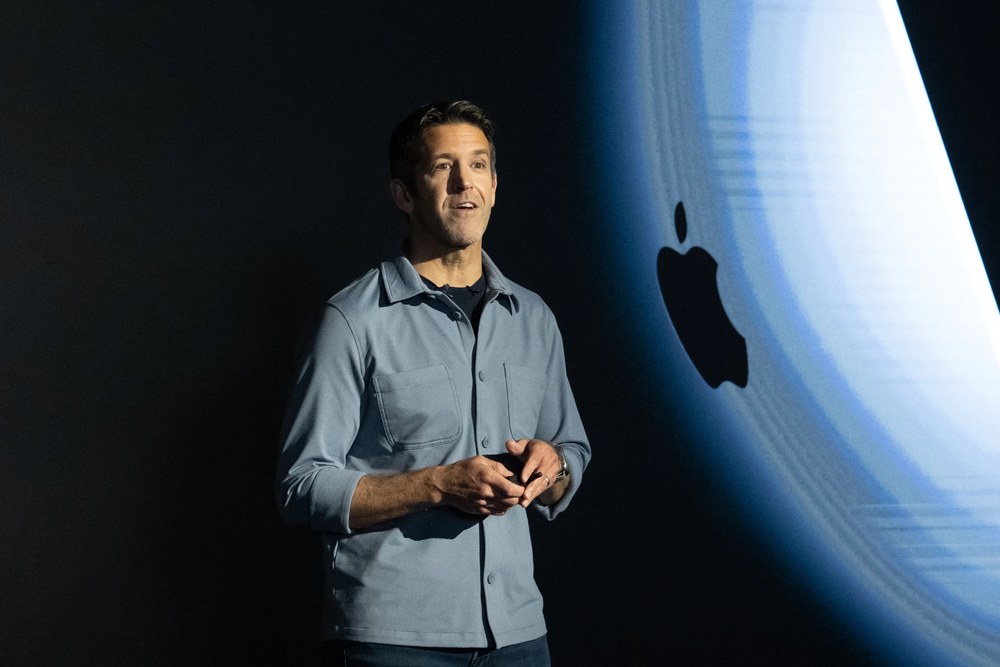
He's handing it to John Ternus — 25 years inside Apple's product org, joined in 2001, VP of Hardware Engineering by 2013, running Apple-wide hardware since 2021. Led the hardware side of iPad and AirPods, ran the Mac's move to Apple silicon, ran the engineering behind multiple generations of iPhone, Watch, and Vision Pro. Mechanical engineering degree from Penn, came up building VR hardware before Apple hired him.
John Ternus has the mind of an engineer, the soul of an innovator, and the heart to lead with integrity and with honor.
That's a real inversion of the model Cook spent fifteen years validating. He took over in 2011 specifically because he wasn't Steve Jobs — an operations executive following a product visionary, at a moment when the whole premise of Apple without Jobs was in question. He answered it about as thoroughly as it's possible to answer: market cap went from roughly $350 billion to $4 trillion on his watch. Putting an engineer back in charge for the first time since Jobs isn't a return to the old model. It's a bet that Apple's next hardest problems — AI, services, whatever comes next — are product questions, not operational ones.
He closed the memo the way he opened it: "My title changes tomorrow, but the love I have for the Apple community never will." Succession letters usually get written to reassure markets. This one reads like it was written to reassure people. Whether that distinction actually matters is Ternus's question to answer now, not Cook's.