
Stephen Curry Wants to Retire a Warrior. The NBA's Rulebook Gets a Vote Too.
Curry saying he wants to finish his career in Golden State isn't the story — everyone already assumed that. The story is a rule most fans have never heard of, quietly deciding how long that promise can legally be written.
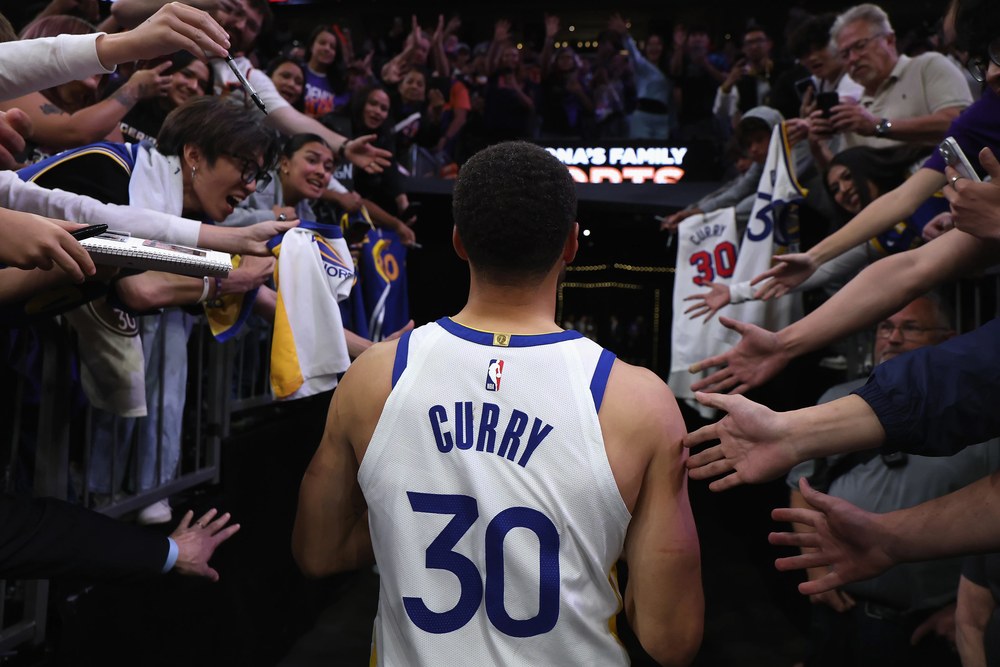
Stephen Curry telling NBC Sports Bay Area and ABC7 that he expects to finish his career with the Golden State Warriors isn't really news. Nobody watching the Warriors for the last decade seriously entertained another ending. The actual story sitting underneath that headline is a rule almost no fan could name, quietly deciding how long that promise is even allowed to be written down.
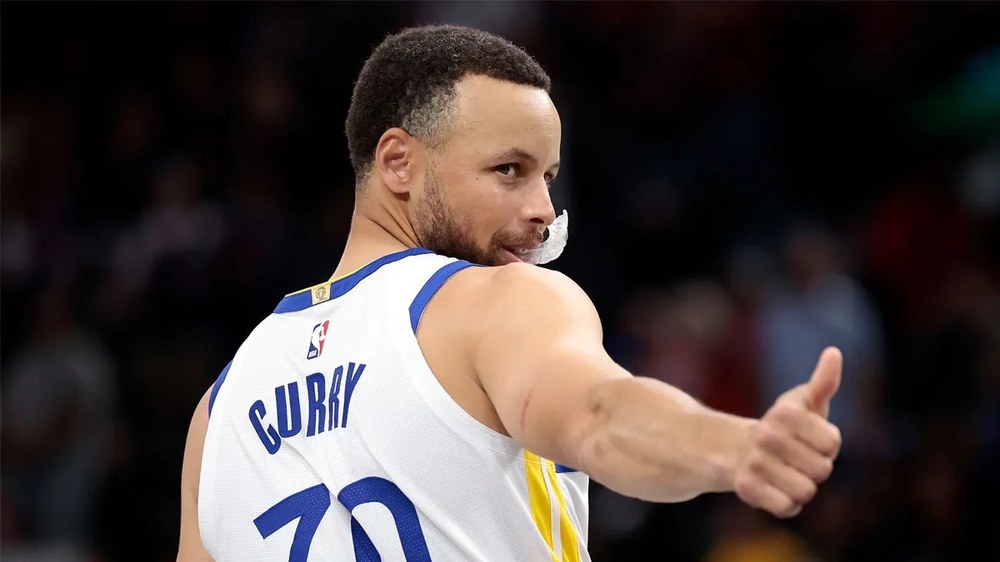
Curry enters the final year of his current deal in 2026-27 at $62.6 million, which makes him the league's highest-paid player this season on an annual basis, extension or not. He's also eligible right now for a two-year max extension worth up to $136.7 million. Both of those numbers are real. Neither of them is the constraint actually shaping the decision.
That constraint is the NBA's Over-38 Rule, and it doesn't ask whether the Warriors want to keep Curry or whether he wants to stay — both of those questions are already settled. What it limits is how long a new contract is allowed to run once a player crosses that age threshold: no more than three total years under contract from the point the rule kicks in. It exists to stop teams and players from using long, back-loaded deals in a player's late thirties to quietly shift cap obligations into the future. It was never built to end anyone's career on a timer; it just forces the paperwork into shorter increments.
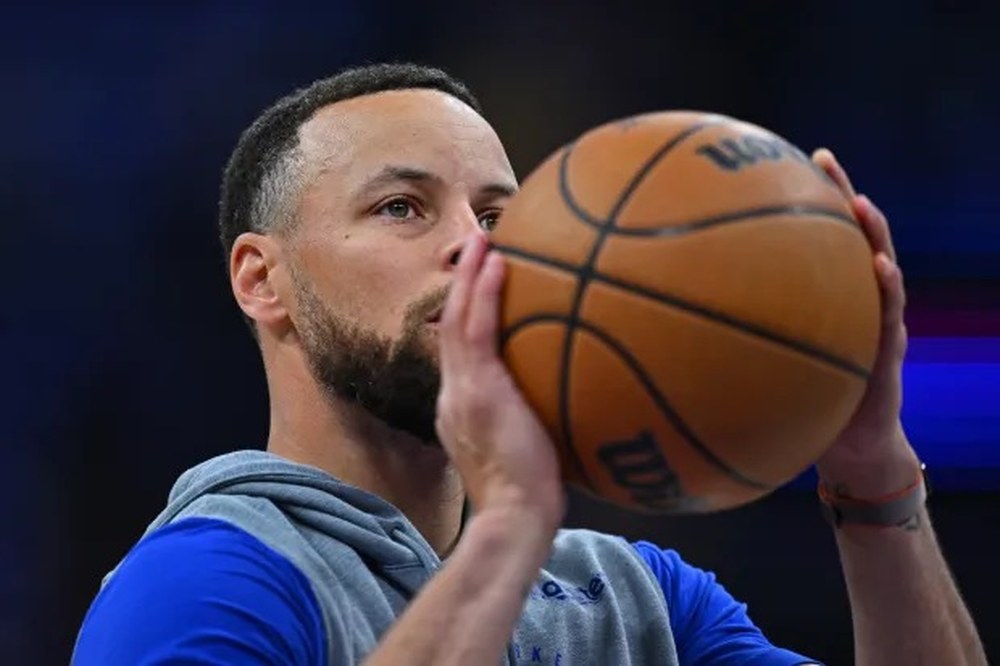
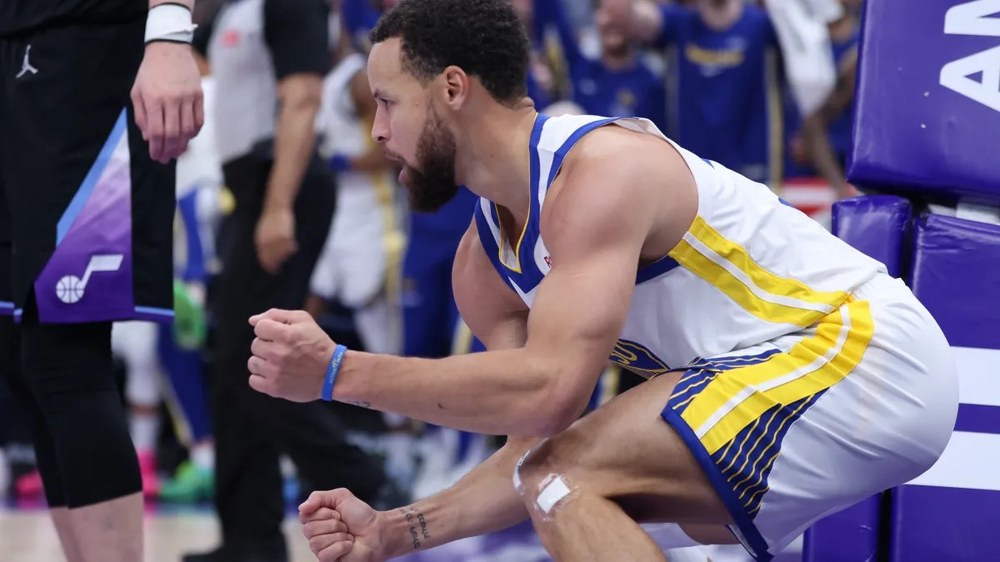
The rule doesn't ask whether the Warriors want to keep him. It asks how the contract is allowed to be shaped.
That leaves Curry two real paths, and both of them still end in Golden State. He can sign the two-year, $136.7 million extension now, which locks in certainty through 2028-29 — his age-40 season — and takes any contract talk off the table before it can distract a team that needs every advantage it can get. Or he can play out this season, hit free agency, and negotiate a fresh contract instead of an extension, reportedly worth as much as $207 to $213 million over three years, stretching into his age-42 season. More total money, more years, and a bet that his body cooperates long enough to collect on it.
Golden State's front office isn't hedging on which ending it expects. General manager Mike Dunleavy Jr. has said he's "pretty confident" Curry finishes his career as a Warrior, and the organization's position is straightforward: he wants to stay, they want him to stay, and the timing gets built around what actually works for him.
None of this happens in a vacuum of good health. Curry played just 43 games in 2025-26, and Golden State went out in the play-in tournament without ever fielding a fully healthy roster. Whatever ceiling this retooled group — Jimmy Butler, Draymond Green, Kristaps Porziņģis — is actually capable of reaching depends entirely on Curry being available to reach it, extension or not.
Four championships, two MVPs, eleven All-NBA selections, twelve All-Star appearances, a spot on the NBA's 75th Anniversary Team, and eighteen seasons in one uniform is the kind of résumé that used to be common in this league and is now nearly extinct. The genuinely modern part of the story isn't that Curry wants to be a one-team player. It's that finishing as one now runs through a rule most of the league's own fans have never had to think about — proof that even the most sentimental ending in sports still has to clear a legal department first.