
Piaget Polo Minute Repeater (2026): Price, Specs, Why Only 5 Exist
There's no stated final number, no "1 of 25" on the caseback. Five a year isn't a marketing cap — it's just how long the hand-finishing actually takes.
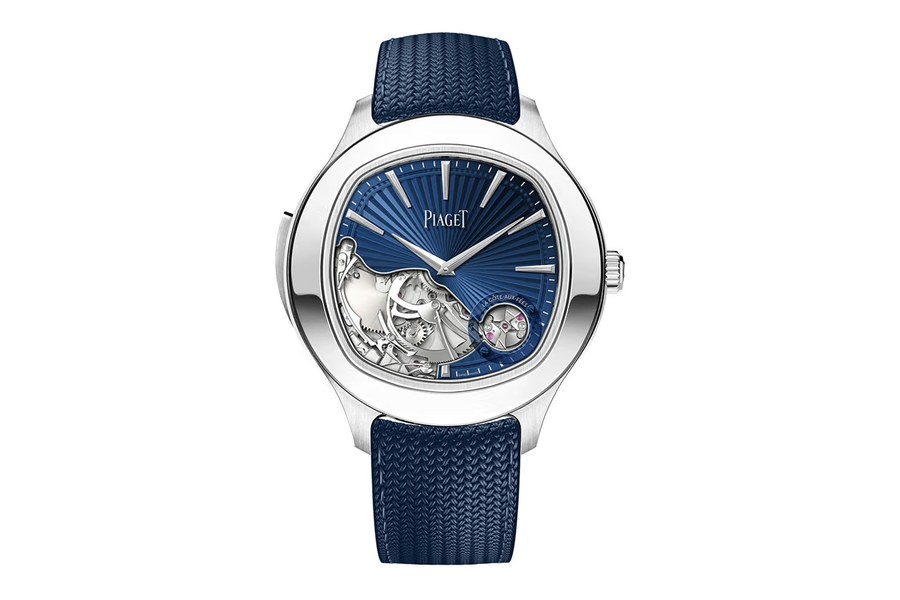
"Only five pieces this year" is the line every watch brand reaches for eventually — manufactured scarcity to get you moving fast. Piaget's version is different in a way that actually matters: there's no lifetime cap here, no "1 of 25" on the caseback. Five a year isn't a marketing ceiling. It's just how long the hand-finishing actually takes.
This is Piaget folding one of horology's hardest complications into a case that was never built to hide it. A minute repeater chimes the time on demand, fully acoustic, no battery — usually lives in a formal dress watch. They put this one in the Polo, their sport-chic line, and left the caliber partially exposed through an openworked guilloché dial. The complication isn't a secret. It's the point.
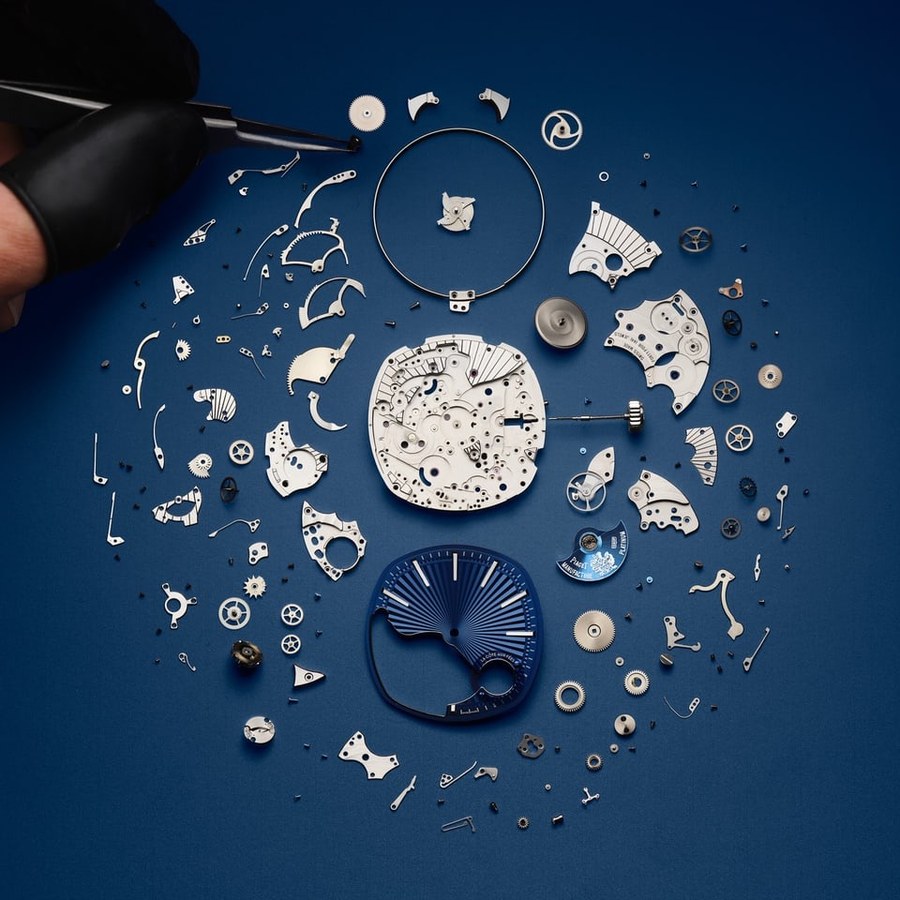
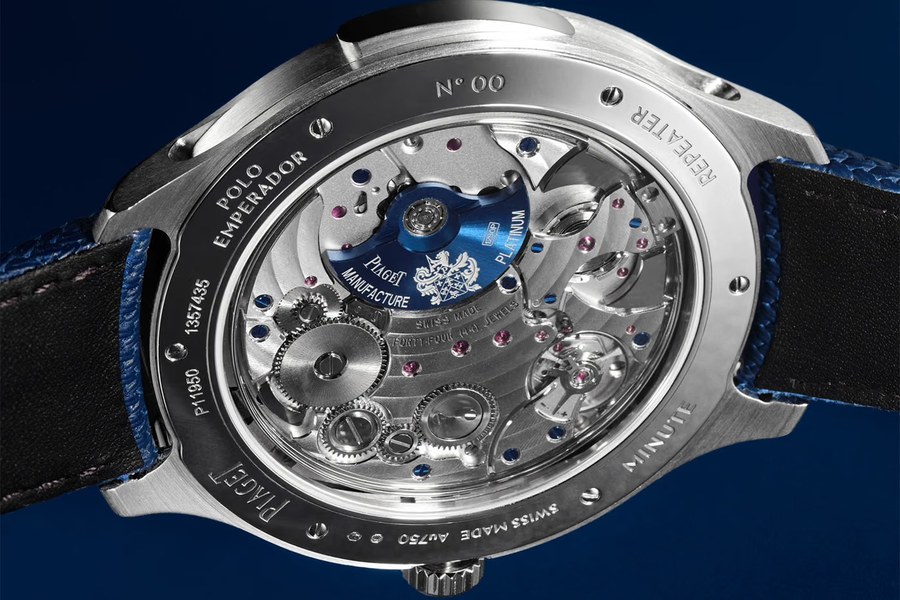
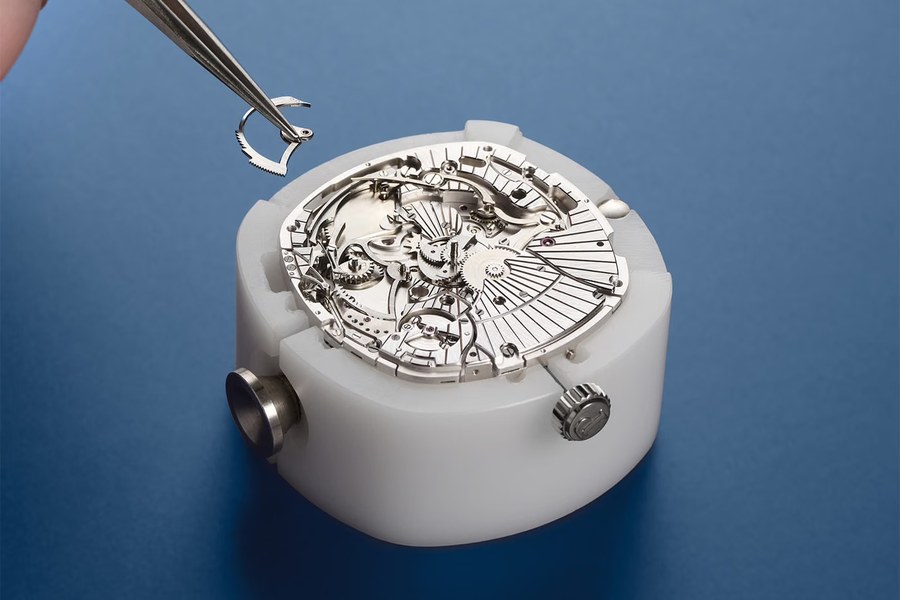
18-karat white gold, 48mm, only 9.3mm thick — genuinely hard to hit on a watch that also has to ring a bell. Inside's the self-winding Caliber 1290P: 430 hand-finished components, built entirely at Piaget's La Côte-aux-Fées manufacture, spun by a blue-PVD platinum micro-rotor.
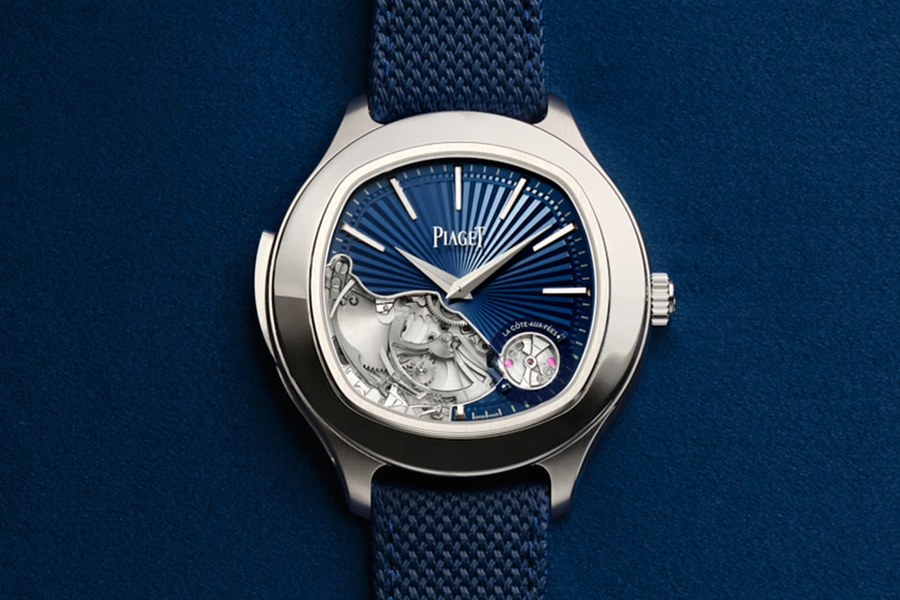
None of that finishing is decorative. A minute repeater lives or dies on acoustics, and this one chimes the hours at G-sharp, the minutes at A-sharp in the fifth octave, at 64 decibels, triggered by a slide at 9 o'clock instead of a pusher. Every hand-beveled bridge inside exists to shape a sound most owners will only ever demonstrate to someone else in the room.
That's where "five a year" actually comes from. The dial alone took over 150 hours to develop. Every watch then absorbs another 50 hours of hand-finishing before it gets numbered. Piaget isn't deciding to make five — five is what the calendar allows once you refuse to speed up either number.
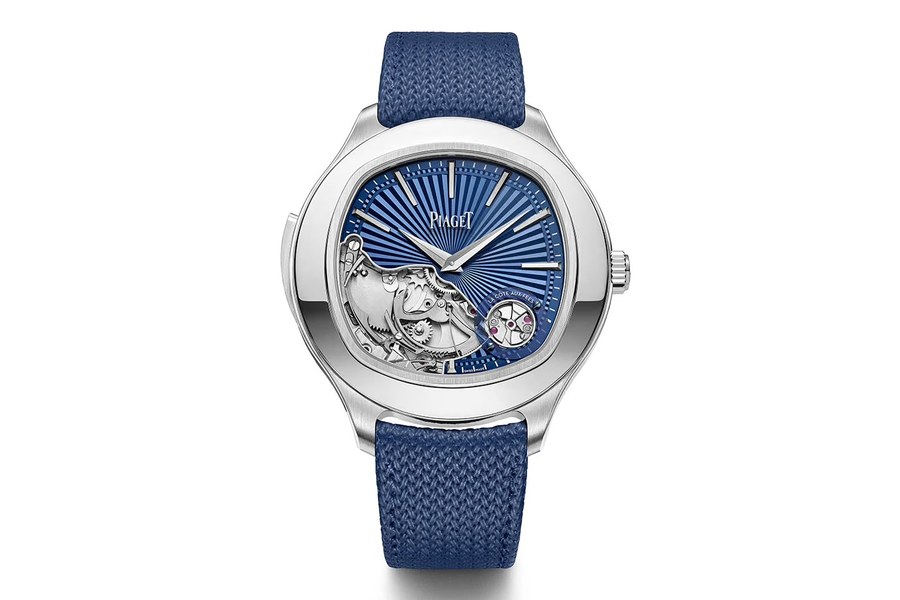
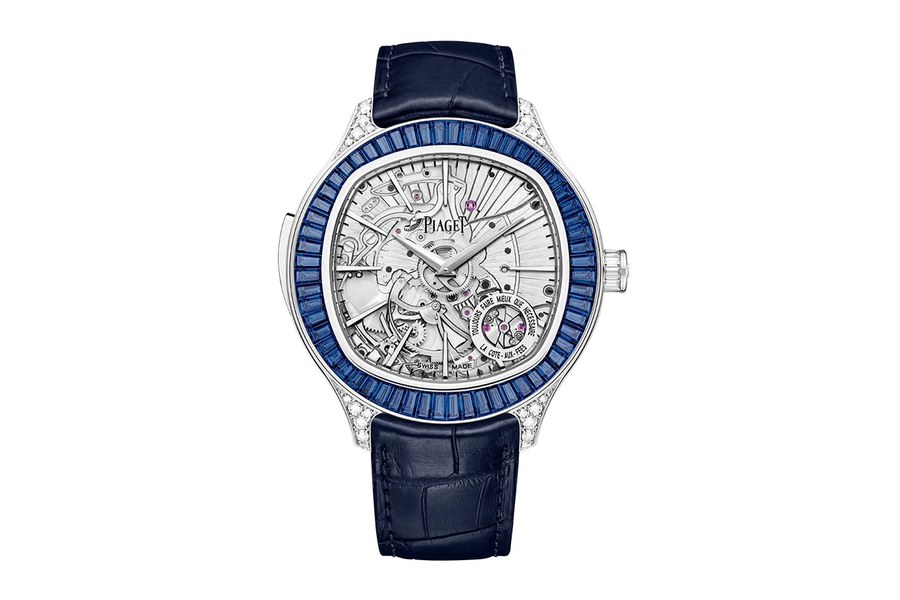
The same movement gets a second, more ornamental life in a High Jewellery companion piece — fully openworked dial, baguette-cut blue sapphires and diamonds around the bezel. Same 430-component argument, dressed for a different room.
The standard reference runs around €330,000, through Piaget boutiques on inquiry, no waitlist announcement. The real question isn't how many exist right now. It's how many years Piaget's willing to keep making exactly five.